Stock Indices
A stock market index is like a measuring stick that helps us understand how the stock market as a whole isdoing. It is a number that represents the average performance of a group of selected stocks. They measure the ups and downs of stocks, bonds, and some commodities markets, in terms of market prices and weighting of companies in the index.
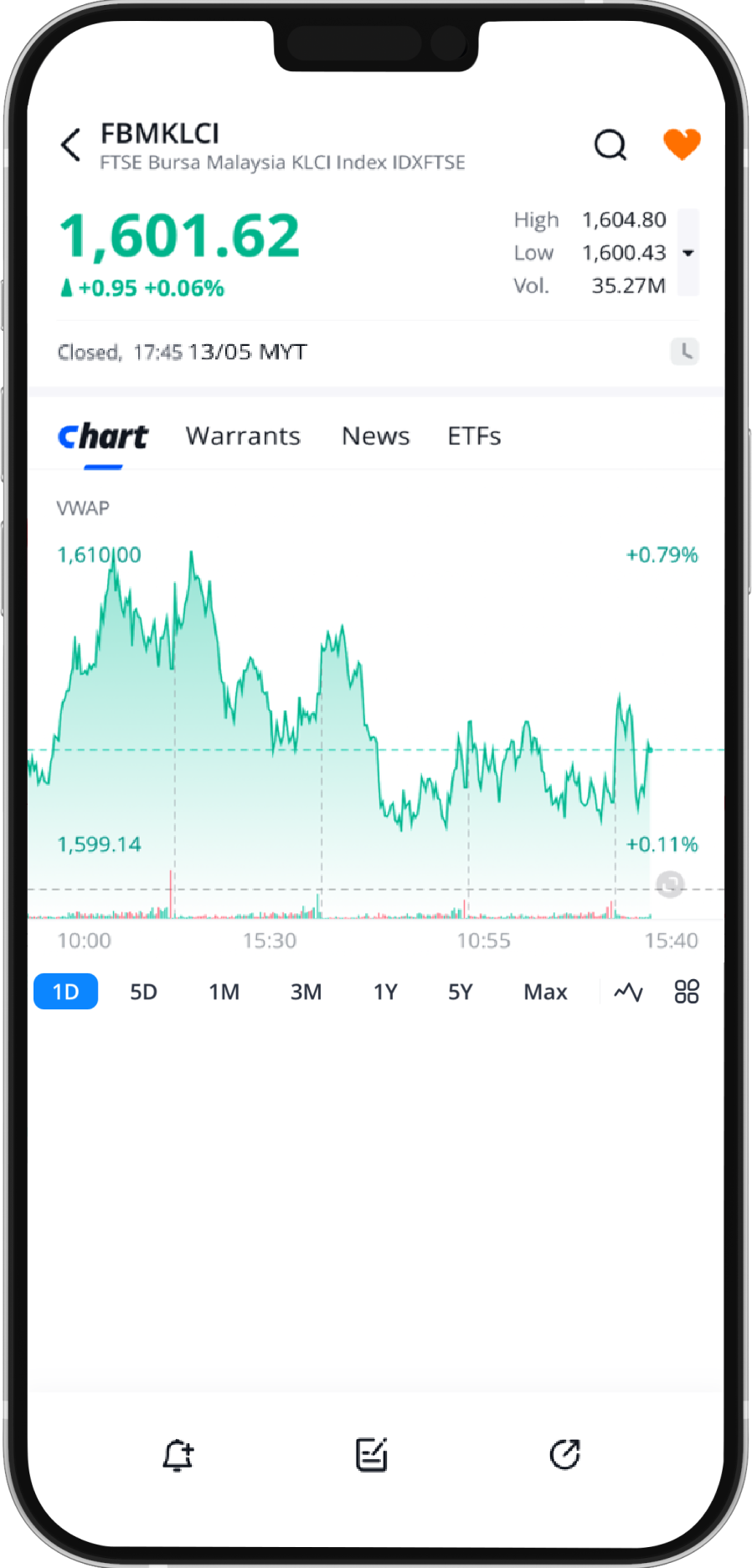
Kuala Lumpur Composite Index (KLCI)
The Kuala Lumpur Composite Index (KLCI) is the main stock market index in Malaysia and represents the performance of the Malaysian stock market as a whole. It tracks the stocks of about 30 different companies listed on the Bursa Malaysia stock exchange.
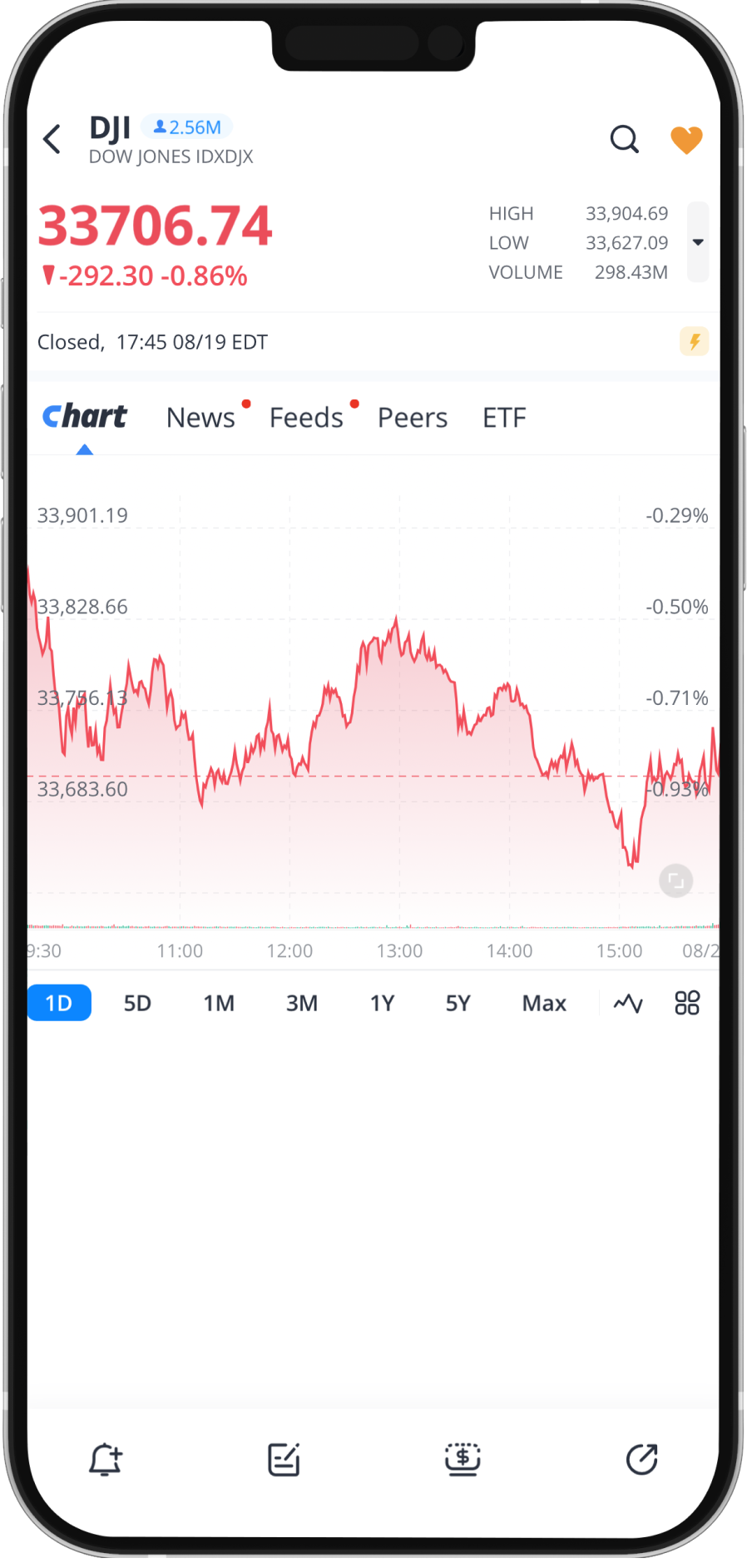
Dow Jones Industrial Average (DJI)
The Dow Jones Industrial Average is a price-weighted average of 30 significant stocks traded on the New York Stock Exchange and the Nasdaq. It was invented by Charles Dow in 1896 and designed to serve as a proxy for the broader U.S. economy. The DJIA is the second-oldest stock market index in the United States of America; the first being the Dow Jones Transportation Average.
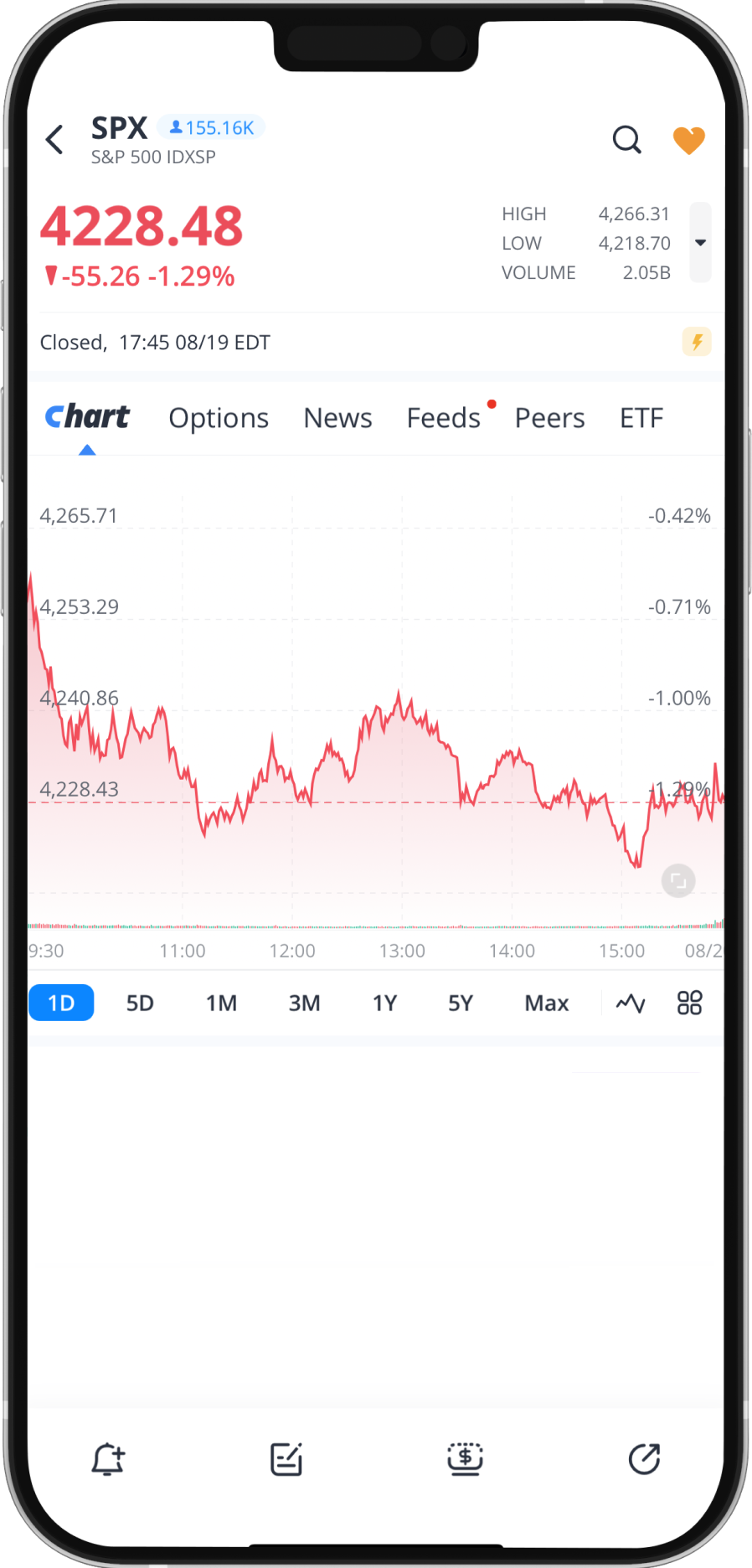
Standard & Poor's 500 Index (SPX)
The Standard & Poor's 500 Index is a famous stock market index in the United States which includes the stocks of 500 large companies from different industries. If you see that the S&P 500 index has gone up, it means that, on average, the overall value of those 500 companies' stocks has increased. Similarly, if the index goes down, it means the average value of those stocks has decreased.
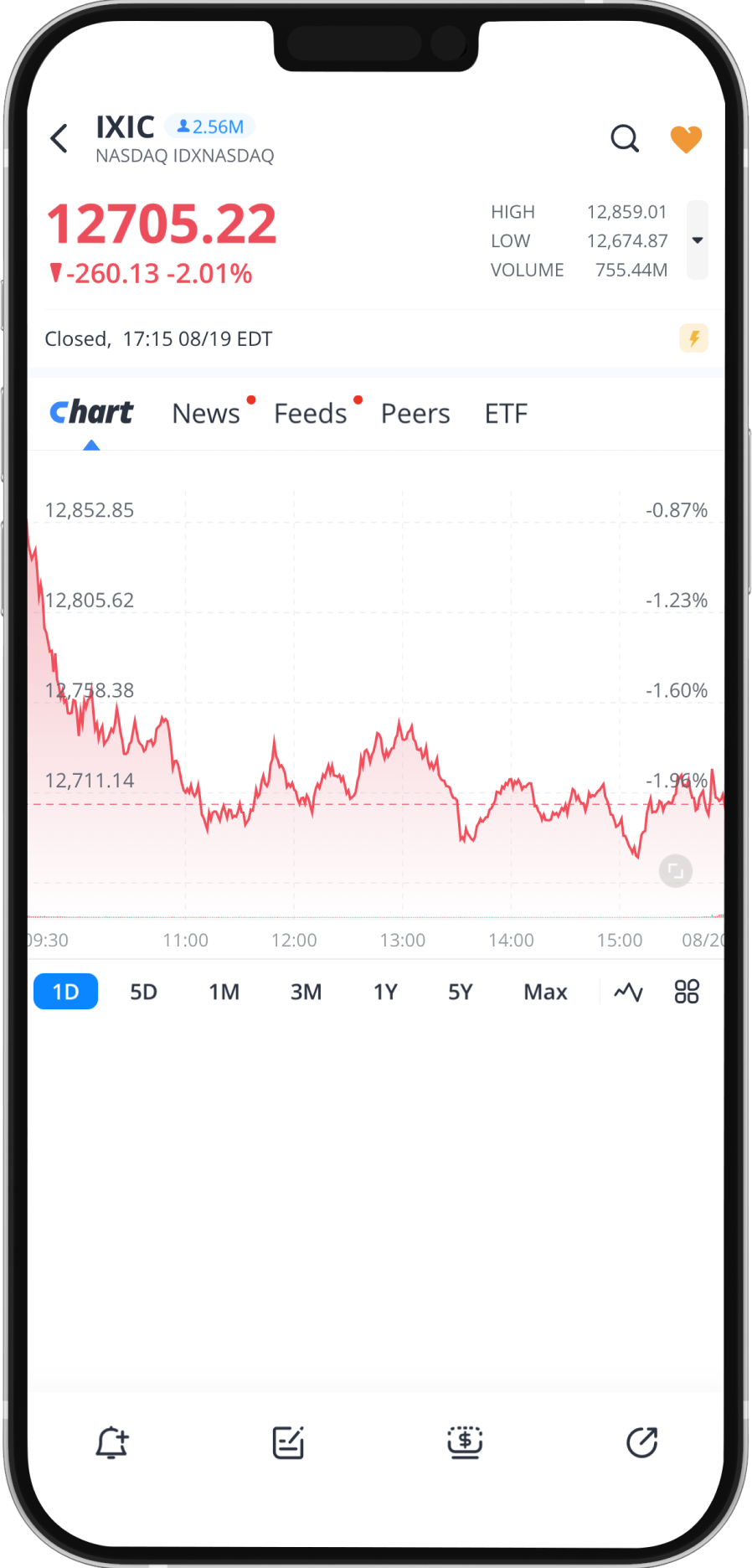
The Nasdaq Composite Index (IXIC)
The Nasdaq Composite Index is a price-weighted index of over 2,500 common stocks traded on the Nasdaq stock exchange. American depositary receipts, common stocks, real estate investment trusts (REITs), and tracking stocks, as well as limited partnership interests, are included in the index. The index is comprised of all Nasdaq-listed equities that are not derivatives, preferred shares, funds, exchange-traded funds (ETFs), or debentures. The Index is almost 50% technology, with consumer services, health care, and financials following closely behind.